
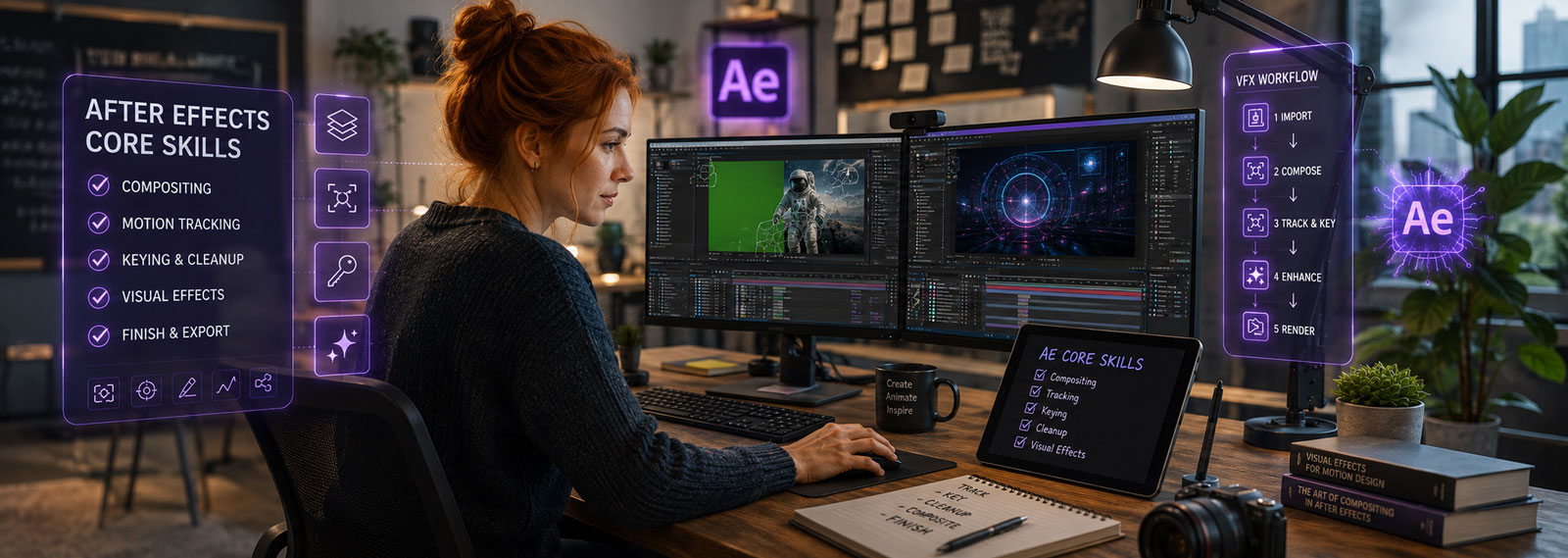
Adobe After Effects Core Skills:
 Compositing and Visual Effects
Develop professional After Effects skills in a focused live online course covering compositing, visual effects, green screen keying, motion tracking, screen replacement, video cleanup, and footage-based workflows.
Course Overview
The Adobe After Effects Core Skills course is a structured professional course focused on compositing, visual effects, greenscreen keying, motion tracking, screen replacement, cleanup work, and footage-based workflows.
Students learn how to use Adobe After Effects as a professional tool for combining video, images, graphics, transparency, and effects into polished visual compositions. The course introduces essential After Effects techniques, including project setup, masks, mattes, chroma keying, motion tracking, stabilization, Mocha AE, 3D camera tracking, rotoscoping, time remapping, color correction, and exporting.
This course is designed for learners who want more than a basic software tutorial. Students develop technical skills, visual effects judgment, and a stronger understanding of how After Effects fits into contemporary video production, social media, marketing, post-production, and digital content creation.
Who This Course Is For
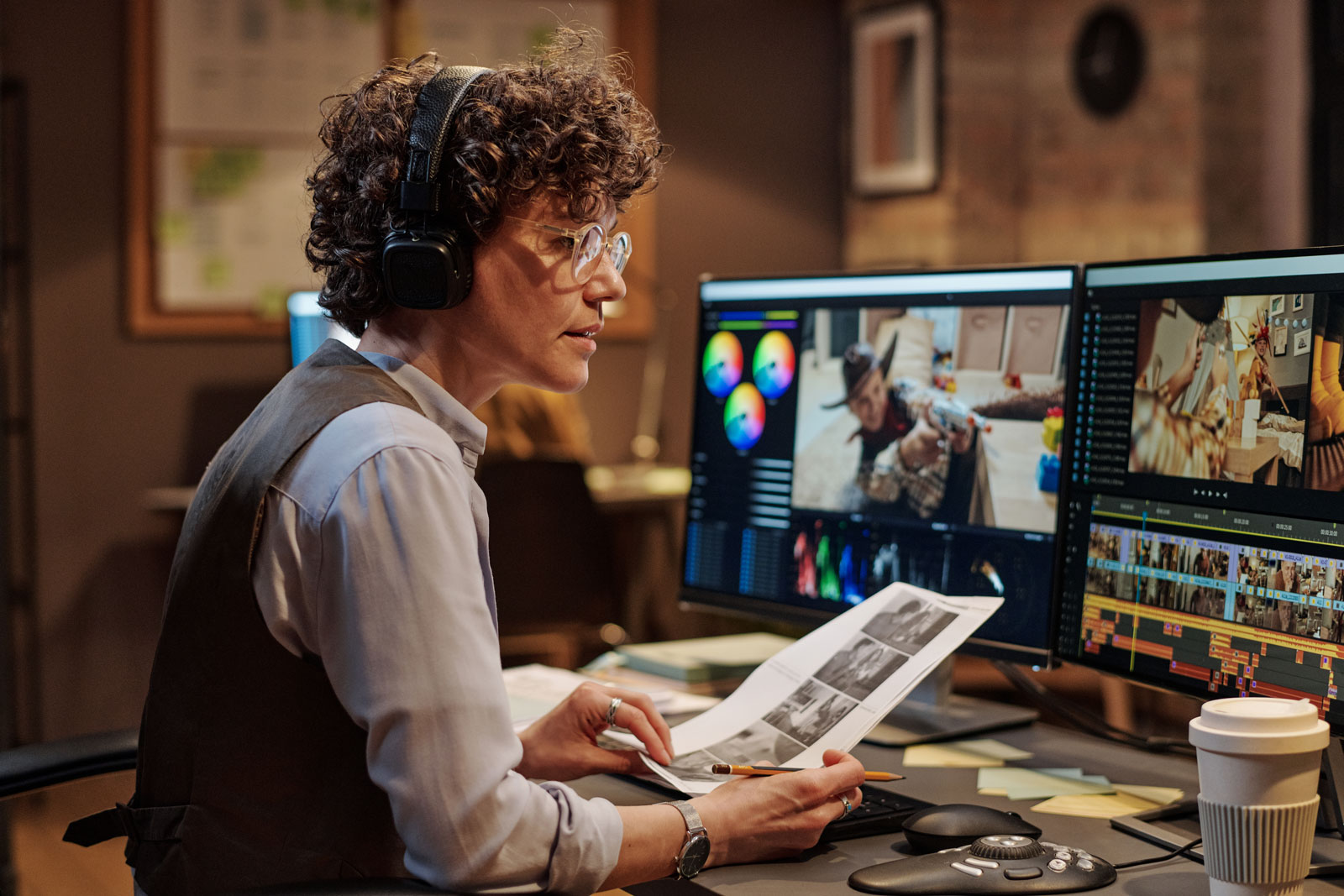
This course is designed for students, video editors, content creators, designers, marketing professionals, communications professionals, and creative practitioners who want to develop practical After Effects skills for compositing, visual effects, screen replacement, greenscreen work, and video cleanup.
It is appropriate for beginners who want a structured introduction to After Effects, as well as learners who have used video editing, design, or Adobe creative tools before but want a more professional and organized compositing workflow.
This course is also a strong option for students interested in video production, post-production, motion design, or visual effects, but who want to begin with a single, focused After Effects course.
No prior After Effects experience is required, but students should be comfortable using a Mac or Windows computer, managing files, and working with basic creative software concepts.
Learning Outcomes
By the end of this course, students will be able to:
- Navigate the After Effects workspace efficiently.
- Create and organize projects, compositions, layers, and imported media for compositing workflows.
- Combine video, graphics, and effects using masks, track mattes, transparency, and chroma keying techniques.
- Apply motion tracking, stabilization, Mocha AE, 3D camera tracking, rotoscoping, and time remapping to enhance video footage.
- Improve composite shots using color correction, cleanup techniques, and professional finishing workflows.
- Export finished visual effects and compositing projects for video, social media, and post-production workflows.
What You Will Create
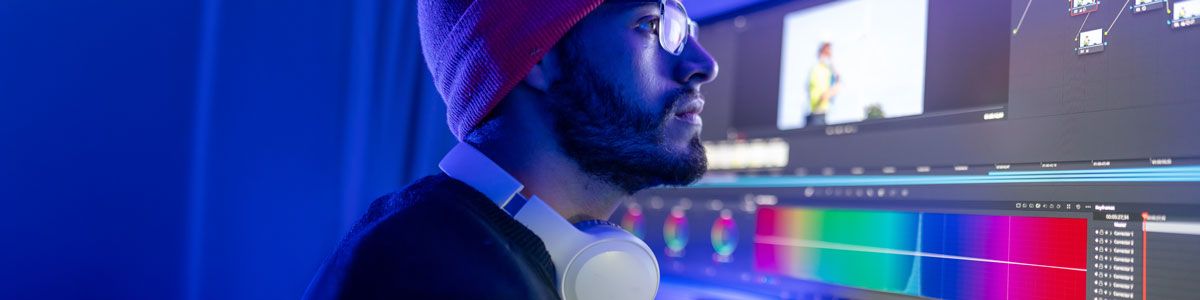
Students will complete practical After Effects exercises and a final motion graphics project. Depending on the project direction, this may include:
- A greenscreen compositing exercise.
- A screen replacement or surface insert.
- A motion tracking exercise with attached graphics or text.
- A video stabilization or cleanup exercise.
- A rotoscoping and subject isolation exercise.
- A time remapping or speed-change effect.
- A color correction and finishing exercise.
- A final After Effects project suitable for portfolio presentation or continued development.
Examples of Classwork
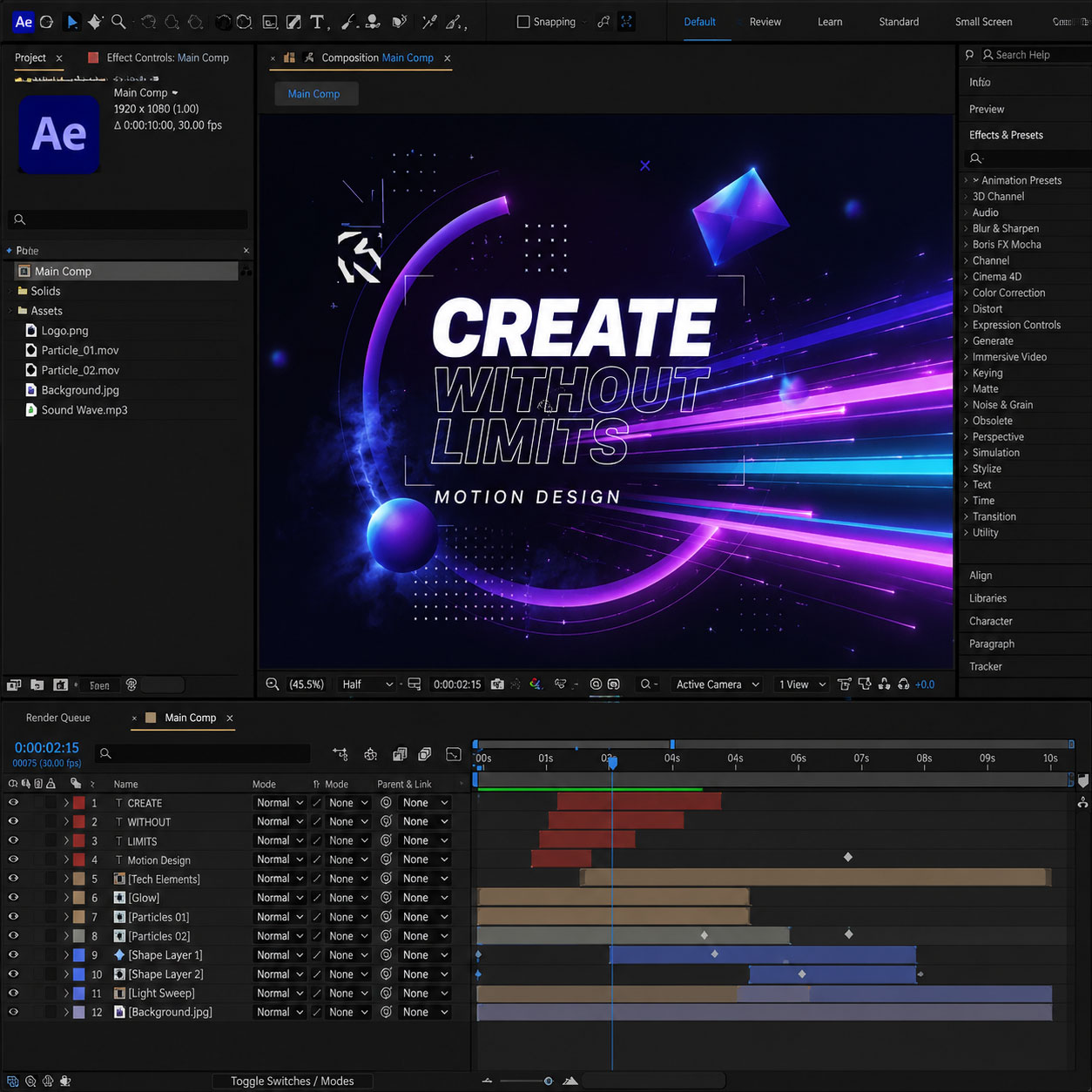
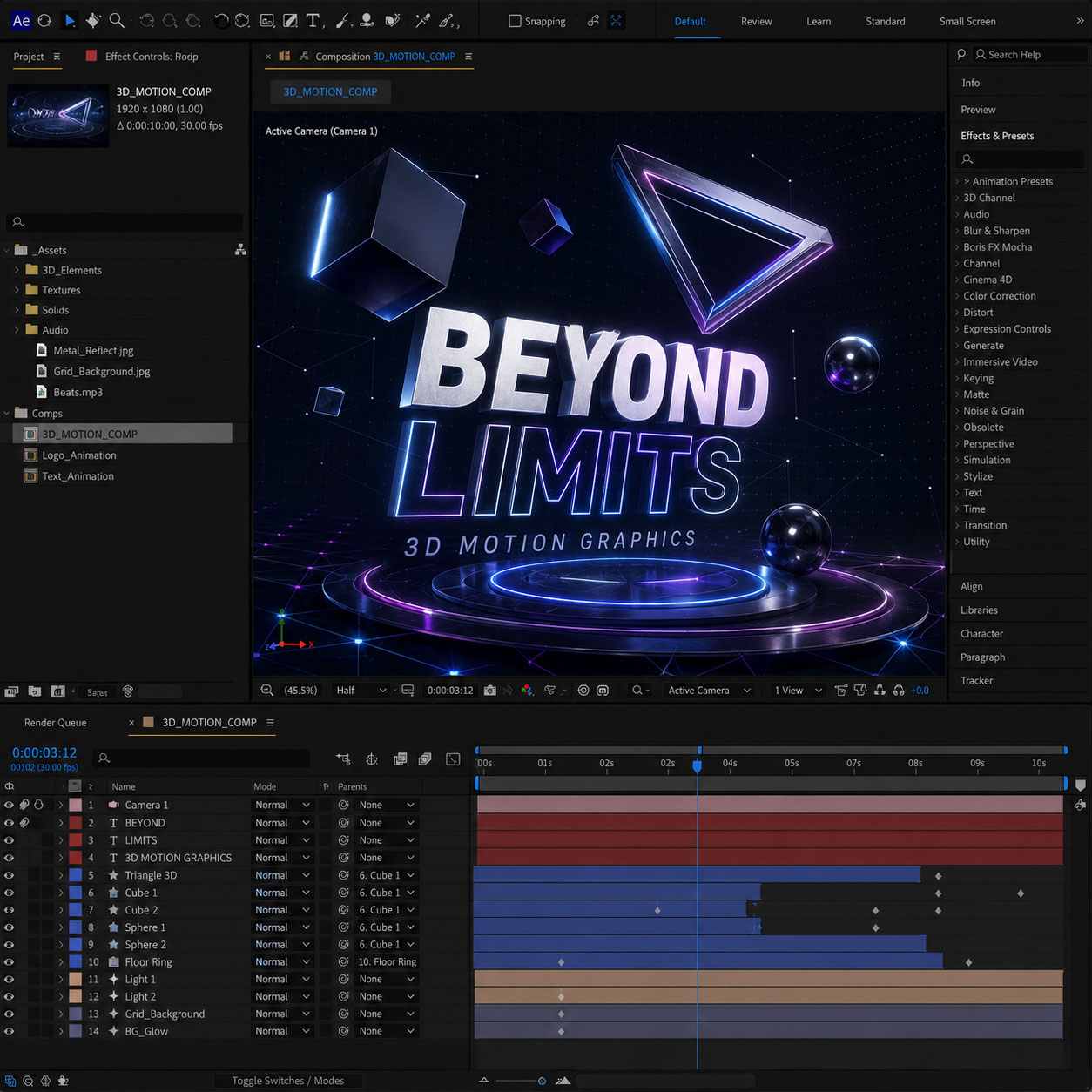
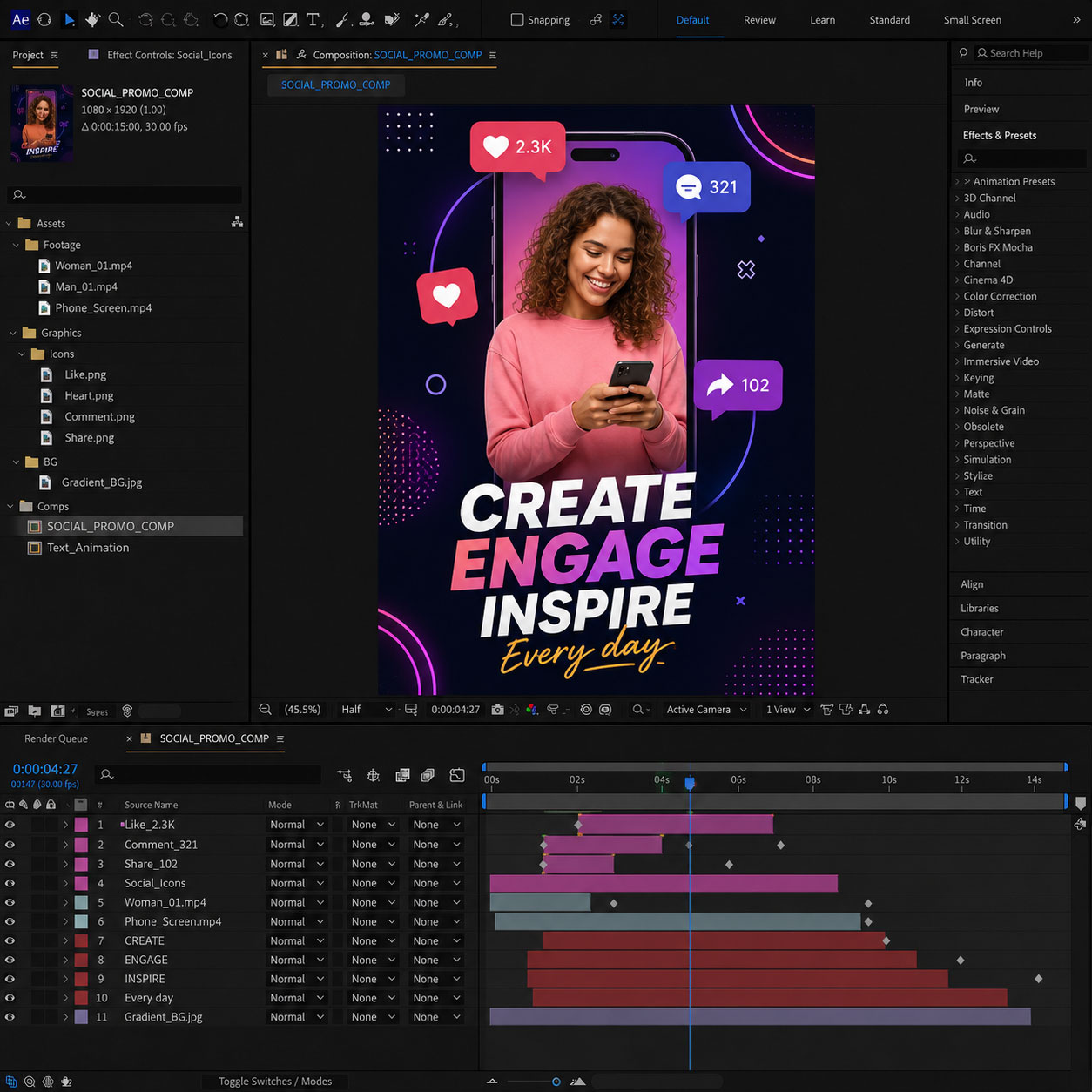
Course Structure
This live online course is organized into focused instructional sessions that combine instructor demonstrations, guided practice, hands-on exercises, critiques, and project-based learning focused on practical compositing and visual effects workflows.
Each module introduces core After Effects skills and includes applied exercises designed to help students build confidence during class. Students who successfully complete the full course and final project earn the Solovant Adobe After Effects Certificate, demonstrating a solid beginner-level foundation in professional compositing, visual effects, footage cleanup, tracking, keying, and video-based post-production workflows.
.
Topical Outline
Module 1: Introduction to Compositing and Visual Effects in After Effects
This module introduces After Effects as a tool for combining footage, graphics, transparency, and effects into finished visual compositions.
Topics include:
- Common uses for After Effects in compositing, visual effects, cleanup, and screen replacement
- The difference between editing, compositing, motion graphics, and visual effects
- Understanding layers, transparency, alpha channels, and visual hierarchy in a composite
Module 2: Project Setup and Compositing Workflow
Students learn how to set up an After Effects project for footage-based work and organize assets for efficient compositing.
Topics include:
- Creating projects and compositions using appropriate frame size, frame rate, duration, and resolution
- Importing and organizing video, audio, still images, layered files, and reference assets
- Managing project structure, naming, precompositions, and footage interpretation
Module 3: Masks and Basic Matte Techniques
Students learn how masks are used to isolate, reveal, hide, and combine parts of a video or graphic layer.
Topics include:
- Creating and editing masks with mask modes, feather, opacity, and expansion
- Animating masks to create cutouts, and simple isolated areas
- Removing objects using mask tracking and content-aware fill
- Facial tracking using mask tracking features to isolate and follow facial elements
Module 4: Track Mattes, Alpha, and Transparency
This module focuses on using transparency-based techniques to control how layers interact with each other.
Topics include:
- Understanding alpha channels, luma values, and transparency in compositing
- Using track mattes to create reveals, replacements, and layered effects
- Using track mattes as transitions to create dynamic scene changes and visual flow
Module 5: Chroma Keying and Greenscreen Compositing
Students learn beginner greenscreen workflow using keying tools and matte refinement techniques.
Topics include:
- Understanding basic greenscreen shooting issues, including lighting, shadows, spill, and separation
- Using Keylight and related controls to remove a green or blue background
- Refining keyed mattes with edge controls, spill suppression, and supporting masks
Module 6: Native Motion Tracking and Stabilization
Students learn how to analyze movement in footage and use tracking data to attach graphics or stabilize shots.
Topics include:
- Using native motion tracking to follow movement in a shot
- Applying tracking data to null objects, graphics, text, or effects
- Stabilizing shaky footage using stabilization workflows, including Warp Stabilizer
Module 7: Using Mocha AE for Transform Tracking
This module focuses on using Mocha AE to generate tracking data that can be applied to Position, Rotation, and Scale in After Effects.
Topics include:
- Tracking planar surfaces in Mocha AE to capture motion data
- Applying Mocha AE tracking data to layers in After Effects
- Using transform tracking to attach graphics or elements to moving footage
Module 8: Using Mocha AE for Corner Pinning (4-Point Tracking)
This module introduces corner pin tracking using Mocha AE for replacing screens and surfaces with perspective changes.
Topics include:
- Understanding corner pin (4-point) tracking and when to use it
- Tracking surfaces with perspective distortion in Mocha AE
- Applying corner pin tracking for screen replacements or surface inserts
Module 9: 3D Camera Tracking and Scene Integration
Students learn how After Effects can analyze camera movement and place graphics into live-action footage.
Topics include:
- Using the 3D Camera Tracker to analyze handheld or moving-camera footage
- Creating cameras, nulls, text, solids, or graphics from tracked 3D points
- Matching scale, perspective, and placement so added elements feel connected to the shot
Module 10: Rotoscoping and Subject Isolation
This module introduces techniques for isolating people, objects, or moving areas when keying or simple masks are not enough.
Topics include:
- Understanding manual rotoscoping and when it is needed
- Using Roto Brush and Refine Edge to separate subjects from backgrounds
- Refining edges, checking matte quality, and managing difficult areas such as hair or motion blur
Module 11: Time Remapping, Speed Changes, and Frame Blending
This module focuses on changing the timing of footage for slow motion, fast motion, holds, and stylized visual effects.
Topics include:
- Using Time Remapping to control speed, freeze frames, and timing changes
- Creating slow motion, fast motion, and repeated-action effects
- Understanding frame blending, motion blur, and timing quality in speed-based effects
Module 12: Color Correction, Finishing, and Exporting
The final module focuses on improving the look of a composite and preparing finished work for delivery.
Topics include:
- Adjusting color, contrast, exposure, and tonal balance to help elements match
- Using adjustment layers and targeted corrections to improve compositing results
- Rendering and exporting finished projects using appropriate settings for video delivery
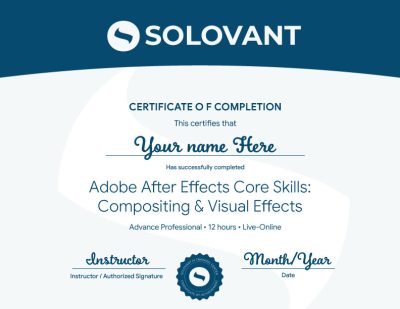
Certificate of Completion
Students who complete the course requirements will receive a SOLOVANT Adobe After Effects Certificate.
The certificate reflects completion of a structured live online course focused on After Effects core skills, compositing, visual effects, greenscreen keying, motion tracking, rotoscoping, footage cleanup, and professional post-production workflows.
Academic and Professional Teaching Model
SOLOVANT courses are designed for learners who want more than short tutorials or isolated software tips. This course follows a structured academic and professional approach that combines technical demonstration, guided practice, visual analysis, project-based learning, and instructor feedback.
Courses are taught by instructors with graduate-level education, university teaching experience, professional certifications, and experience in design, digital media, technology, and artificial intelligence.
The goal is to help students understand After Effects as a professional compositing and visual effects tool while developing the technical and conceptual skills needed for contemporary video, post-production, marketing, digital media, and creative production.
AI in After Effects Workflows
Artificial intelligence is becoming an important part of modern compositing, visual effects, and video production. In After Effects workflows, AI-supported tools can assist with background generation, object removal, subject isolation, cleanup work, visual references, and creative exploration.
This course introduces AI as a professional support tool, not as a replacement for visual judgment or technical skill. Students learn how to integrate AI strategically while maintaining control over realism, timing, composition, footage quality, and creative intent.
The course also encourages critical awareness of AI limitations, including inconsistent results, visual artifacts, copyright and originality concerns, and the need for human review and creative decision-making.
Tuition
Regular Tuition: $690
Sale: $590
What Is Included
- Adobe After Effects Certificate
- Live online instruction
- Adobe Certified Instructor
- Grad-level professor
- Free retake
- Class recording
- 25% discount on the next class
- 1:1 mentoring included
Schedule
Saturday classes: October 3, 10 and 17
- Duration: 4 sessions, 10:00 AM to 2:30 PM
- Total Instruction: 12 hours
- Format: Live online
-
Sale!
Ready to Build Professional After Effects Core Skills?
Enroll in this live online course and develop practical After Effects skills through guided demonstrations, hands-on exercises, instructor feedback, and project-based learning.
This course includes applied After Effects training focused on compositing, visual effects, greenscreen keying, motion tracking, screen replacement, cleanup work, and post-production workflows. Students complete a final After Effects project and earn the Solovant Adobe After Effects Certificate upon successful completion.
-
Sale!
Ready to Build Professional After Effects Core Skills?
Enroll in this live online course and develop practical After Effects skills through guided demonstrations, hands-on exercises, instructor feedback, and project-based learning.
This course includes applied After Effects training focused on compositing, visual effects, greenscreen keying, motion tracking, screen replacement, cleanup work, and post-production workflows. Students complete a final After Effects project and earn the Solovant Adobe After Effects Certificate upon successful completion.
Continue Into the Full Certificate Program
Students who complete this course may continue into the full video and motion design certificate program, which expands into Premiere Pro, After Effects Core Skills: Compositing and Visual Effects, and After Effects Fundamentals: Motion Graphics and Animation.
This makes the After Effects course a focused entry point into a broader professional pathway in video editing, motion graphics, animation, compositing, and visual effects.
Earn Your After Effects Certificate


If you have any questions, feel free to contact us
We can schedule a Zoom or Phone Call to answer all your questions
hello@solovant.com